Coloring pages with ColoringPagesCreative: Let chance choose
Sometimes you have checked several drawings and still cannot choose one. The flower has inviting petals, the boat has an open sail, and either would suit the time you have. Comparing them again may add nothing. A voluntary draw can give one suitable picture a turn. The useful part is deciding what enters that draw and what you will do with its result. With coloring pages, chance can settle which acceptable design comes first while leaving you free to change your mind if the result reveals a stronger preference.
1. Decide whether chance would settle a real tie
Before arranging a draw, identify the decision that remains. Equal appeal is a tie; missing information needs a check. They may look similar, but they should not be handled in the same way.
1.1 Separate missing information from equal appeal
Imagine that a broad flower and a simple boat both have readable outlines, areas you want to color, and a usable resource. You have no remaining reason to prefer either. A draw can settle their order. Now suppose the boat is visible only in a tiny preview. You cannot tell whether its sail contains fine patterns. That uncertainty could change your choice, so inspect it first. If the fuller view is unavailable, leave the boat out. Drawing its name would tell you nothing about those hidden details.
A quick check can separate a true tie from an unfinished comparison:
Keep an option only when you can see enough of the drawing to judge it.
Confirm that the subject, detail level, and intended use fit what you want to do.
Remove candidates that still depend on missing information or an unresolved practical issue.
1.2 Keep essential requirements outside the draw
Name the conditions that make the activity possible before adding options. You might need a clear focal region, a subject you like, and a supported way to use the drawing. A promising title does not establish those conditions. A flexible preference can remain open, but every essential requirement should already be satisfied by each candidate.
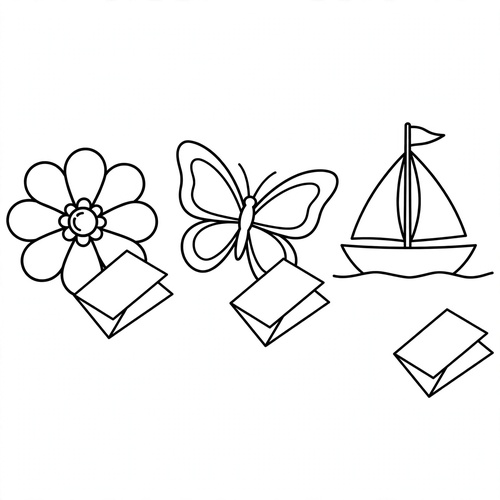
Three folded slips beside flower butterfly and sailboat
2. Build a pool whose every result is usable
The pool should contain choices you would willingly accept. It does not need a prescribed size or a representative sample of every subject. Adding variety is useful only while the added pictures remain wanted. The same principle applies when browsing free printable coloring pages: a larger selection is not automatically better if several options would be rejected the moment they were chosen.
2.1 Inspect each drawing before it enters
Consider a hypothetical pool containing a butterfly, a flower, and a shoreline. Keep each only for a reason you genuinely accept: inviting wing sections, a clear flower center, or a broad sail you want to color. These are examples, not claims about available designs. Inspect the actual drawing behind each reference, including surrounding detail and relevant use information. A small centerpiece may sit inside a busy border you do not want, so judge the whole candidate.
2.2 Remove choices you would immediately reject
Suppose you add the shoreline only because the other two pictures are nature subjects. If you would redraw as soon as its name appeared, remove it now. The pool does not need that kind of balance. If the flower becomes the only picture you want, choose it directly. Also check for duplicate references. Two names that open the same drawing give that design an extra entry in a physical draw, unless you intended that weighting.
Imagine three slips on a table. Before opening one, you quietly hope it says “flower.” When the slip says “boat,” you feel disappointed and want another try. That reaction is useful information: chance has not failed. It has shown that the flower was probably your preference before the draw began.
3. Choose a simple method with a clear stopping point
Use a method you can explain before seeing the result. It should answer which option comes first, not which drawing is objectively better. A simple rule keeps the draw focused on ordering acceptable choices.
3.1 Use a fair draw or a neutral order
For a physical draw, write one identifying label per candidate on similar slips. Check that every eligible choice appears once, fold the slips alike, mix them, and select without looking. The labels only need to help you reopen the right picture. Alternatively, agree on a neutral rotation: use the next item in a list, then move forward next time. A rotation shares turns over time; it is not random. In either case, keep the original resource reference beside each label so the result points to one definite design.
Before you begin, make the rule easy to remember:
One accepted candidate receives one entry unless you intentionally weight the draw.
The first qualifying result ends the selection unless your agreed refusal rule applies.
A practical problem sends you back to checking the resource, not automatically to another draw.
3.2 Decide what a redraw means before starting
You could agree to accept any qualifying result. You could also allow a refusal, with the understanding that refusal ends the draw and leads to a direct choice. Either rule is clear if you set it beforehand. Repeatedly drawing until the flower appears suggests that you wanted the flower all along. Choose it instead of treating each unwanted result as a reason to try again. If several people are choosing for themselves, each can accept or decline their own result.
Butterfly chosen with flower and sailboat placed behind
Once a result appears, respond to that drawing. Acceptance can end the comparison; refusal can reveal a practical problem or a preference the original pool missed. Randomness is useful for ordering choices, not judging quality.
4.1 Accept the selected picture without comparing again
If the butterfly is drawn and still meets your requirements, open its exact reference. Choose an inviting wing section and begin there. You already established that the flower was another acceptable option, so there is no need to prove the butterfly superior. Set aside the other references if they pull you back into comparison. The draw has finished its job once you have a wanted starting point.
You do not have to finish the whole picture or repeat the method next time. You can pause after one section and return later. The draw only settled which suitable design would receive attention first.
4.2 Use a no or a change as useful information
Keep different reasons for refusal separate. If the chosen resource cannot be used as expected, remove that candidate while you resolve the practical issue. Another draw will not repair access. If the boat simply disappoints you, ask what you had hoped would appear instead. You may discover a preference for the flower's repeated petals over a scene with several objects. Choose accordingly or rebuild the pool around that preference. This reflects what you want now, not a permanent rule about your taste.
5. Find coloring pages for the activity you have chosen
ColoringPagesCreative has homepage collections and discovery sections you can use as starting points for exploring printable coloring pages. Look for candidates that meet the requirements of your activity, then open each resource to inspect the individual drawing. Check the offered format, any paper guidance, and the relevant use terms before keeping it in your pool. Your draw is a way of choosing among accepted references; it does not depend on the resource offering a random selector or recommendation.
5.1 Use the observed homepage routes as starting points
Explore a collection with a specific question in mind, such as whether you can find a clear focal region, suitable detail, or a subject you genuinely want to color. Keep enough context to reopen the exact candidate. The butterfly, flower, and boat examples remain hypothetical until you inspect an actual design.
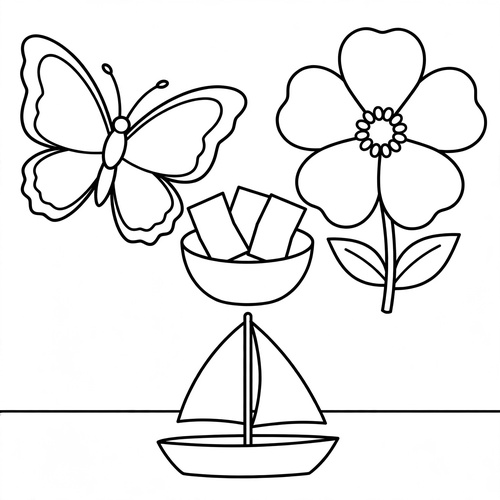
Butterfly flower and sailboat choices around a bowl
5.2 Confirm the individual resource and intended use
After the draw, confirm that the opened resource matches the drawing you accepted. Follow its supported preparation route and stated terms. If an essential detail remains unclear, hold that action or choose a supported alternative. Then begin with one wanted region and let the comparison end. Chance is useful because it removes an unnecessary tie between acceptable options. It should simplify the choice, not replace inspection, preference, or practical judgment.
 MESSAGE IMPORTANT : RECRUTEMENT URGENT. PLUS D'INFOS : Cliquez ici